



Rim loads may be categorised as
Static load: The force transmitted to the wheel rim via the suspension system when the vehicle is stationary, arising from the vehicle's weight.
Dynamic load: The additional dynamic force exerted upon the wheel rim due to inertial and impact forces when a vehicle is in motion, cornering, braking, or traversing uneven surfaces. Dynamic loads are typically significantly greater than static loads.
The Importance of Rim Loads
Safety: Rims must possess sufficient strength and rigidity to withstand these loads, preventing fracture or deformation during operation. This constitutes the most fundamental safety requirement.
Design Basis: Serves as the core computational basis for structural design and material selection of rims (particularly critical components such as spokes, rim grooves, and flanges).
Fatigue Life: Cyclic rim loads constitute the primary cause of metal fatigue in rims. Design must account for safety factors under maximum loads and ensure long-term fatigue endurance.
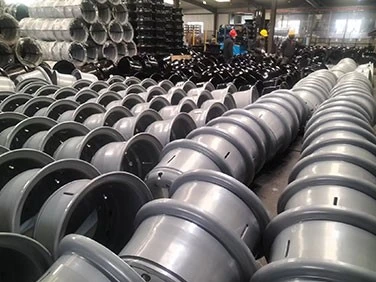

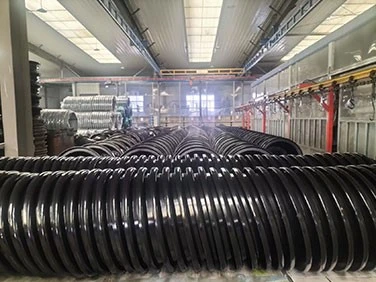

The load capacity of a wheel rim is not arbitrarily labelled; it is a safety load value calculated and measured step by step by reputable manufacturers through standards + design + materials + manufacturing processes + actual testing, and is specified in the product specifications.
Furthermore, distinct equipment types (forklifts, trailers, construction machinery) each adhere to specific rim design and load standards. Consequently, when replacing rims, it is imperative to ensure the rated load capacity of the new rim meets or exceeds the original manufacturer's specifications.
The rim load represents the aggregate of all forces that the rim must withstand throughout the vehicle's entire service life, constituting a critical performance indicator for ensuring the rim's safe and reliable operation.